Gasoline in a diesel system is a mechanical mismatch, not a minor mix-up. Diesel fuel lubricates key parts of the fuel system, and gasoline does not. Once gasoline moves through a diesel pump and injectors, it can strip lubrication and raise friction in components that depend on diesel’s lubricating properties.
What happens next depends on one factor you control: whether the engine was started and driven.
What Diesel Fuel Can That Gasoline Cannot
Diesel fuel acts as both fuel and lubricant in many diesel injection systems. Pumps and injectors operate at high pressure with extremely tight tolerances, and they rely on fuel for cooling and lubrication. Gasoline is thinner, less lubricating, and it behaves differently under pressure. That difference can lead to accelerated wear almost immediately if gasoline circulates through the system.
Diesel engines also compress air to ignite fuel by heat, while gasoline engines rely on spark ignition. Gasoline in a diesel engine does not burn the same way at the same timing. In the best case, the engine runs poorly. In the worst case, injection components are damaged because the system was forced to operate without proper lubrication.
If You Haven’t Started The Engine
If you realize the mistake before starting the engine, you are in the best possible situation. The fuel is mostly still in the tank and has not been pulled through the pump, filter, and injectors. In that scenario, the solution is straightforward: do not turn the key on, do not prime the system, and do not attempt to “dilute it” by topping off with diesel.
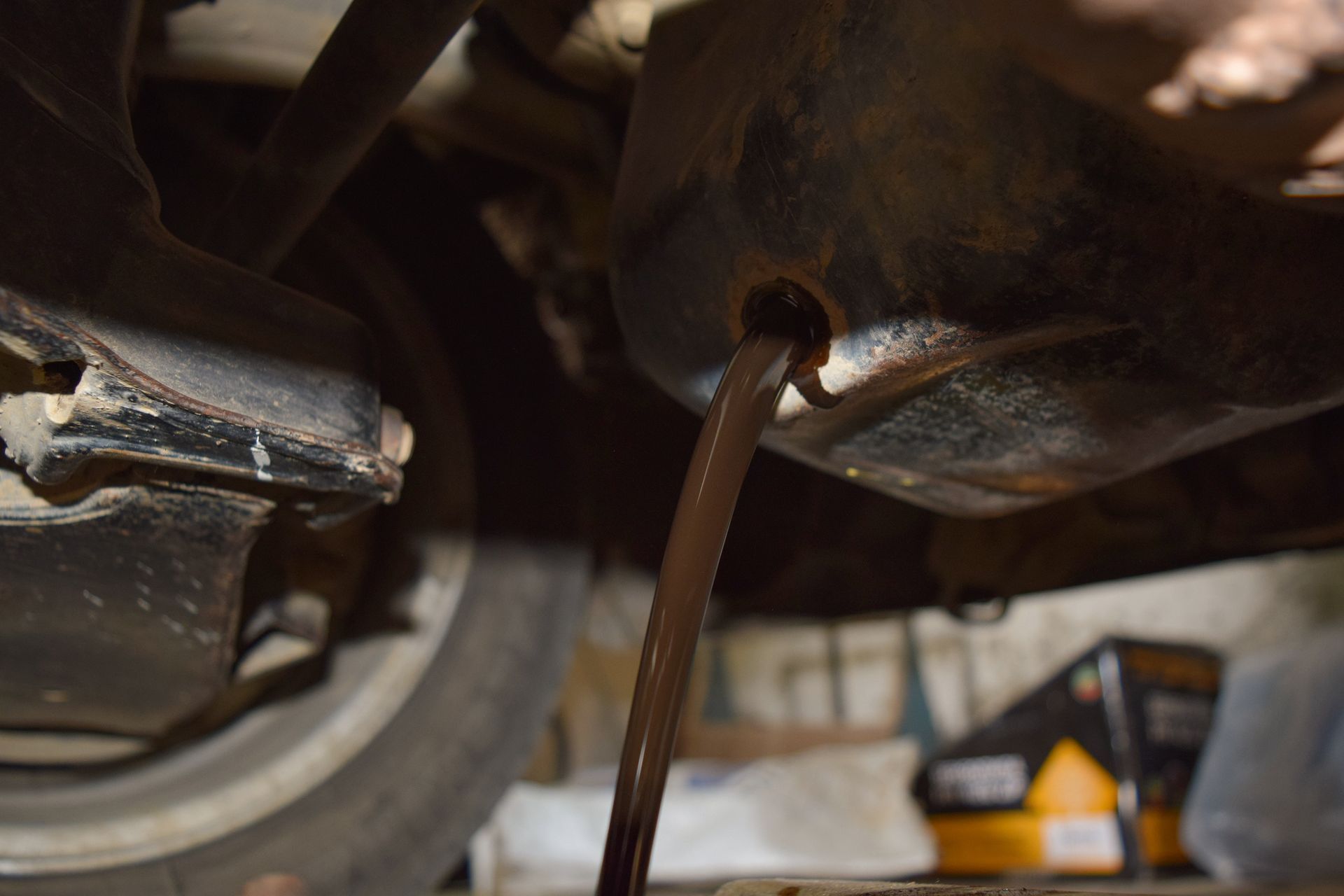
The correct move is to have the vehicle towed and the tank drained, then have the system serviced to remove the contaminated fuel. An inspection at this stage is preventative and usually limits the repair to cleaning and refilling. This is the difference between an inconvenience and a very expensive repair.
If You Started It But Shut It Off Quickly
Starting the engine changes the situation because the fuel system begins circulating immediately. Even if it ran for only a short time, gasoline may have reached the pump and filter, and it may have begun moving through high-pressure components. The damage risk increases, but it is not a guaranteed catastrophic outcome every time.
The safest approach is still to shut it off and stop trying to restart it. Continued cranking can pull more contaminated fuel through the system. At this point, the vehicle typically needs the tank drained, filters replaced, and lines flushed. Many systems also require bleeding procedures after service to remove air and restore proper pressure safely.
If You Drove It, Here Is What Can Happen
Driving with gasoline in a diesel system increases the chance of real component damage because the system is under sustained pressure and heat. The engine may lose power, misfire, surge, or stall. You may see warnings related to fuel pressure, injector timing, or emissions. Those symptoms are not the main concern. The main concern is internal wear.
Here is what gasoline contamination can do over time, sometimes quickly:
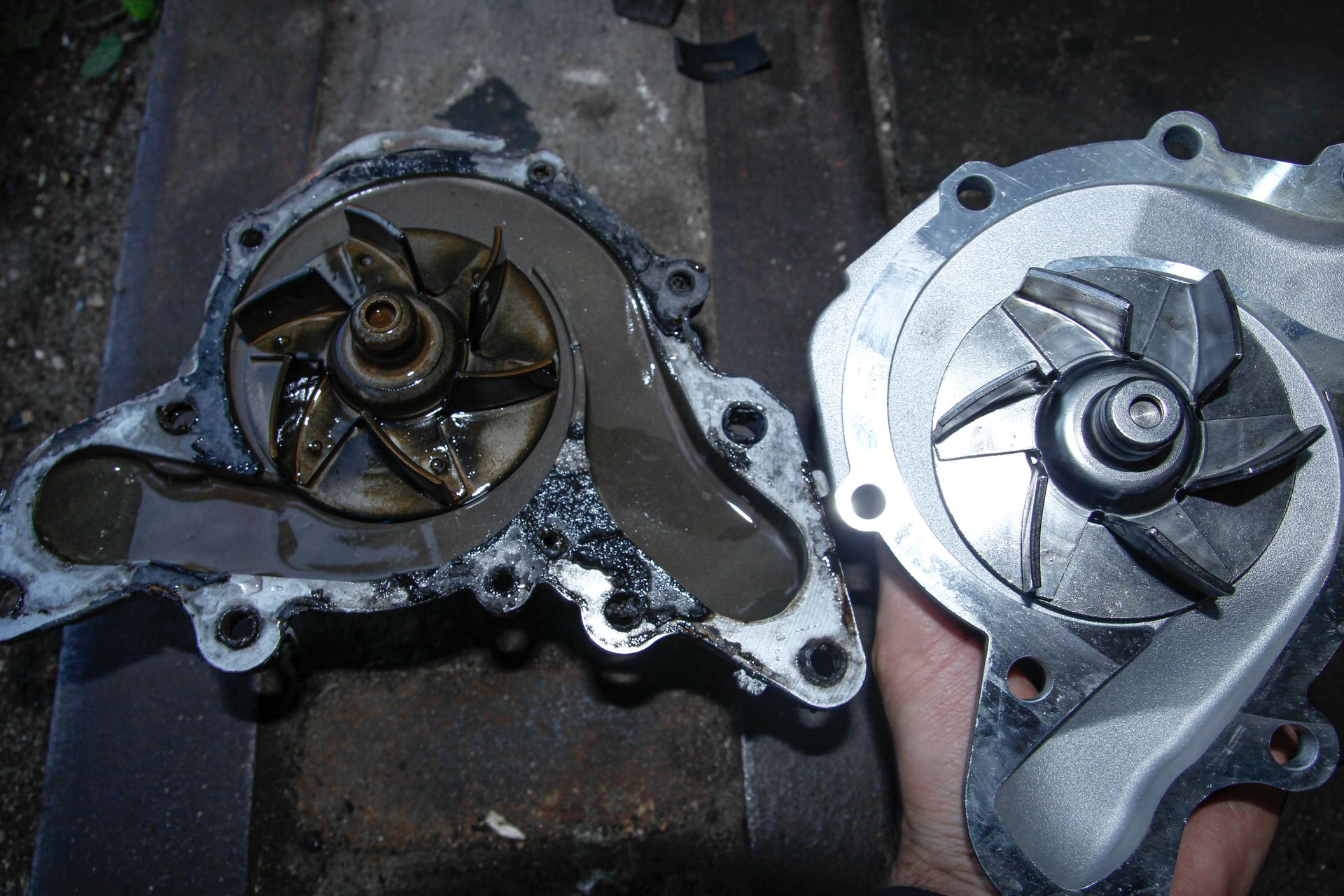
- Reduce lubrication in the high-pressure pump and score internal surfaces
- Overheat and damage injector components due to friction and poor cooling
- Cause fuel pressure instability that leads to hard starts or stalling
- Contaminate the fuel filter with debris from wear inside the pump
Send metal particles through the fuel rail and injectors, spreading damage
This is why the right response is to stop and service the fuel system, not to keep driving and hope it clears out.
Why Diluting It With Diesel Is Not A Fix
A common idea is to fill the tank with diesel and drive gently to “dilute” the gasoline. That approach is risky because dilution does not restore lubrication quickly enough once gasoline has reached the pump and injectors. Even a small percentage of gasoline can reduce lubricity below what the system expects, depending on the diesel design.
It also does not remove the contaminated fuel from lines, filters, and the high-pressure side. You still have gasoline circulating in the place where it can do the most damage. The correct fix is removal, not dilution.
What To Do Immediately After The Mistake
The best steps are simple, and they prevent the situation from escalating. Most of the damage happens after the system circulates gasoline through high-pressure components. If you can prevent that, you protect the most expensive parts.
Do this right away:
- Do not start the engine or cycle the ignition on if you can avoid it
- If it is already running, shut it off as soon as it is safe
- Do not attempt to crank it repeatedly
- Arrange towing to a shop for service and an inspection
Be honest about how much was added and whether it was driven
That last point matters because the repair plan depends on whether gasoline reached the high-pressure side. Clear information saves time and prevents unnecessary work.
What Repairs Usually Involve
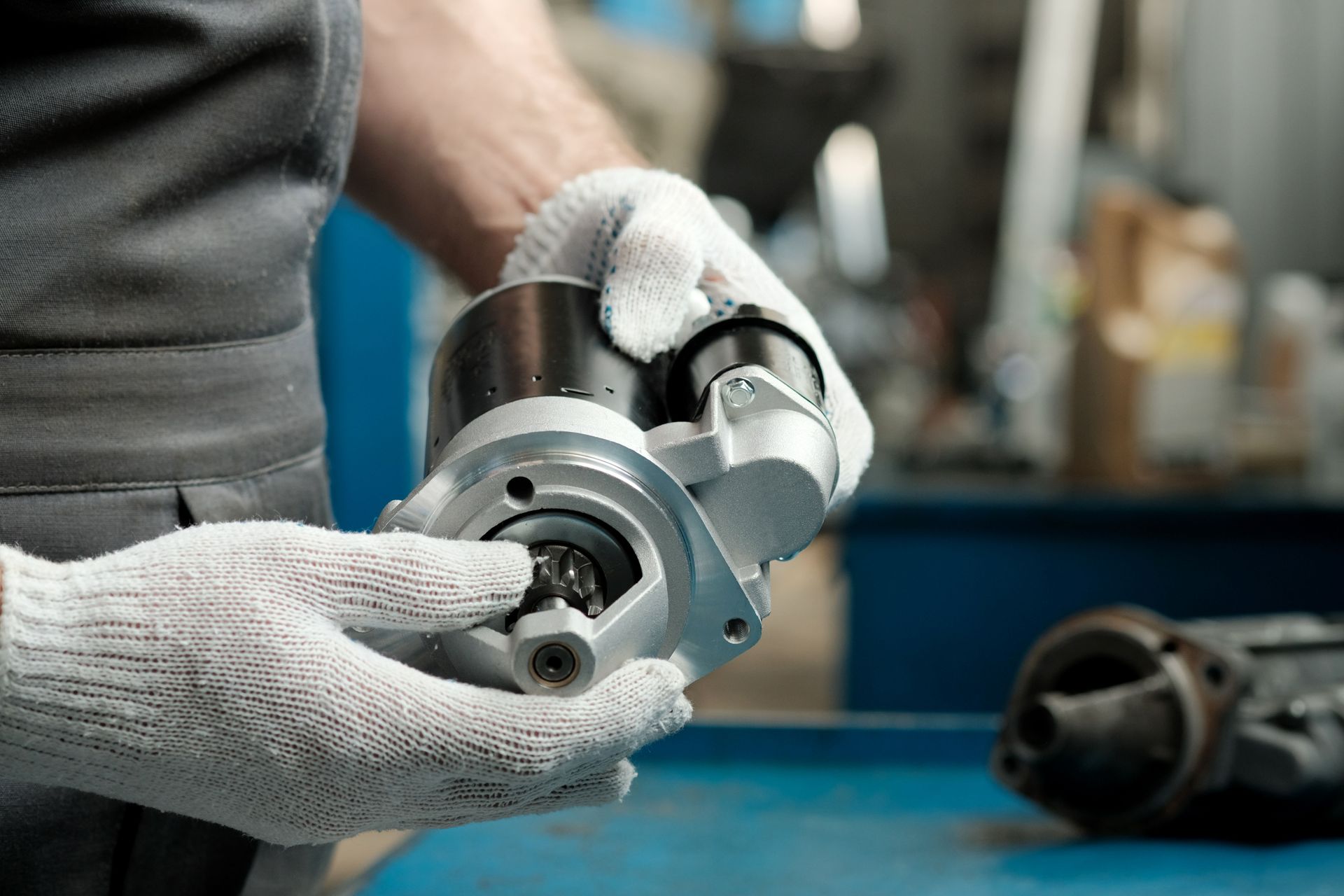
Most repairs involve draining the tank, flushing lines, replacing the fuel filter, and ensuring the system is refilled with clean diesel. If the vehicle was driven, additional steps may be necessary to inspect the pump and verify the system did not shed metal into the fuel rail. Some vehicles require special procedures to prime and bleed the system correctly after service.
This is not the place to cut corners. Diesel systems are precise, and improper service can introduce air or contamination that creates more problems. Once everything is cleaned and verified, the goal is to restore normal pressure and injector operation safely.
Get Engine Inspection and Repair In Hoquiam, WA, With Crowell Brothers Automotive Inc.
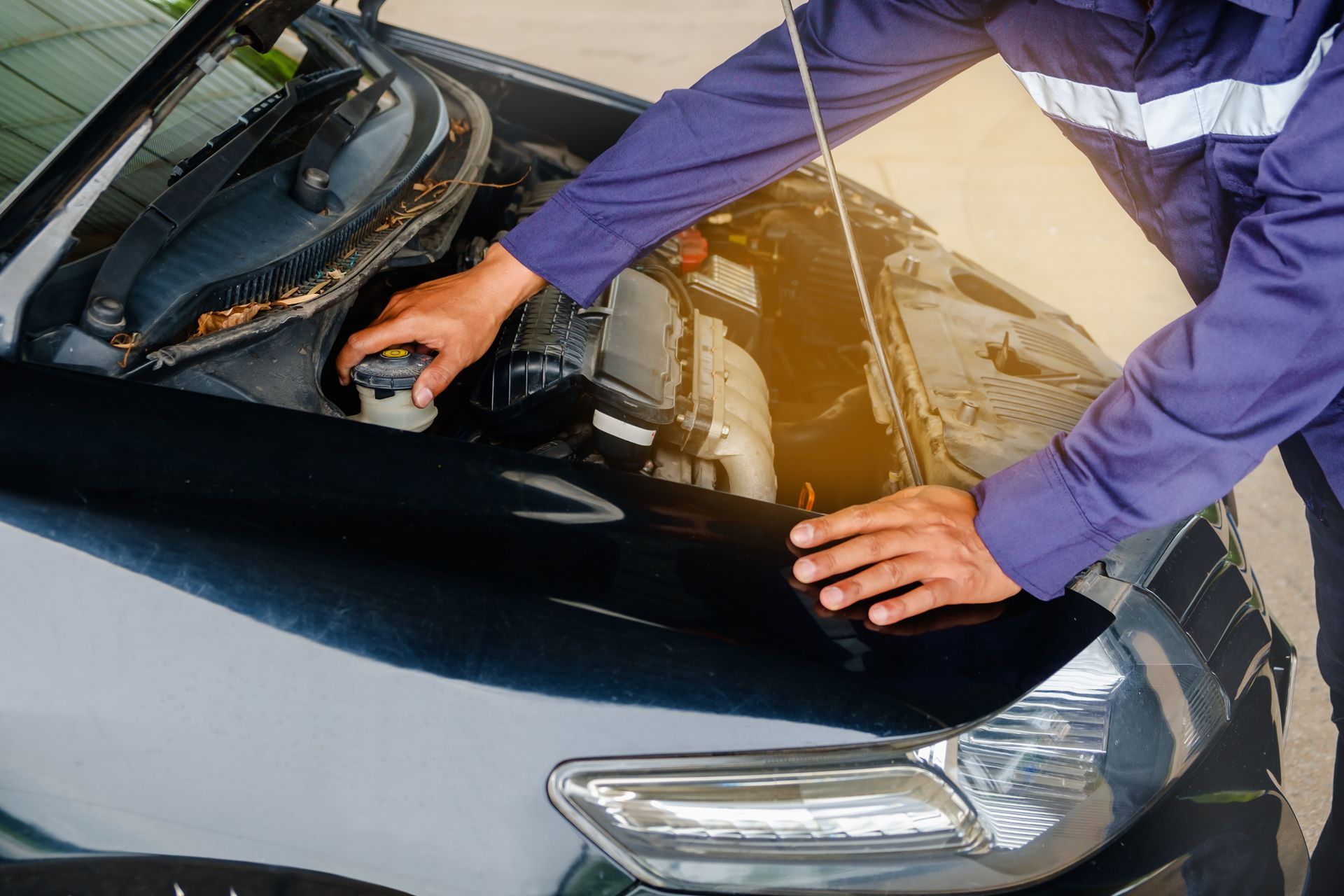
If gasoline went into your diesel, the smartest move is to stop and have the fuel system serviced before the high-pressure components are damaged. An inspection can confirm the right level of service based on whether the engine was started and how far the contaminated fuel traveled.
For a clear plan and correct repairs, schedule service with
Crowell Brothers Automotive Inc.