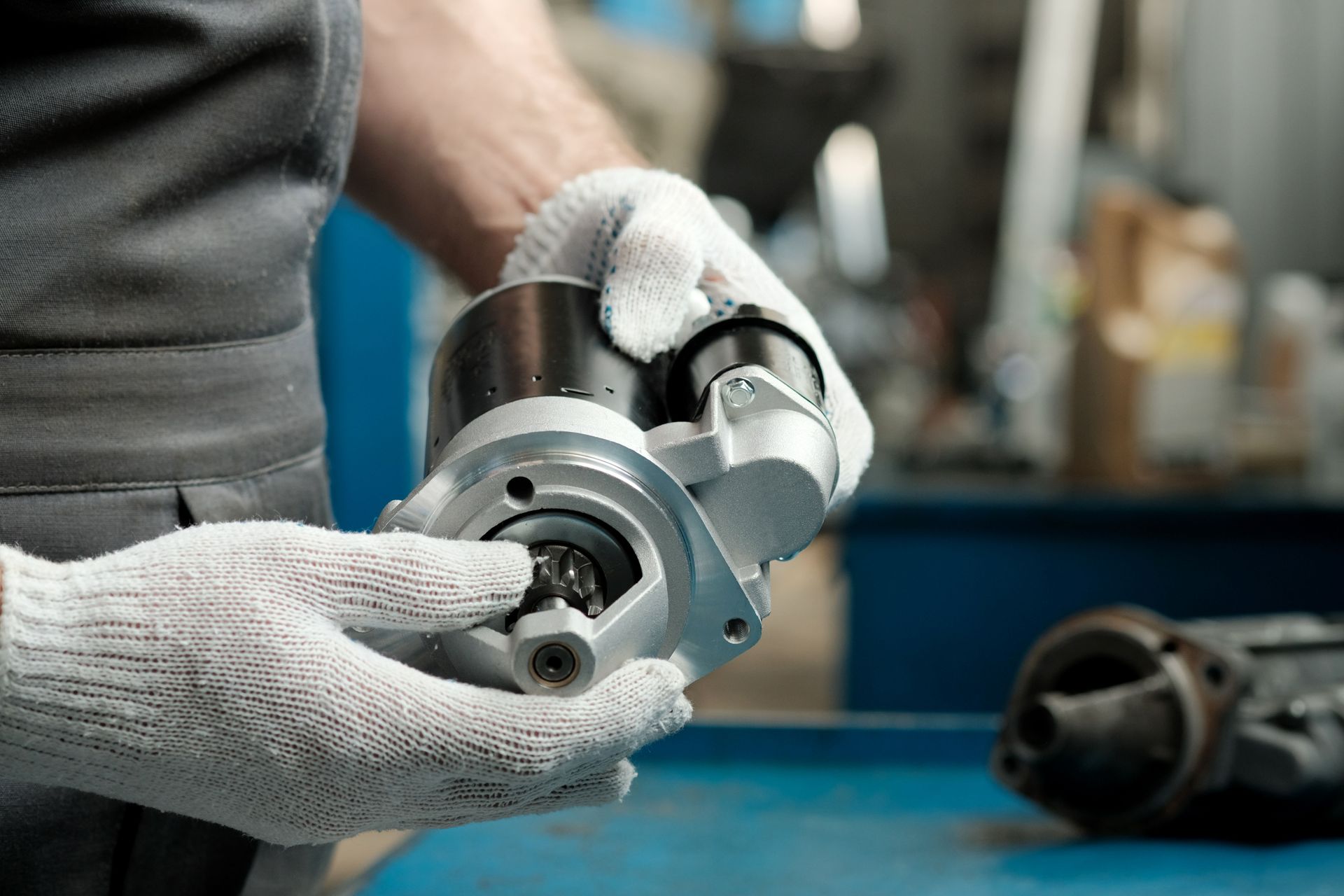
Drivers are often surprised to open the cargo area of a newer vehicle and find an inflator kit, a can of sealant, or an empty storage compartment instead of a spare tire. For decades, a spare seemed like standard equipment, but many manufacturers now leave it out of certain cars, crossovers, hybrids, and electric vehicles.
The decision is usually connected to vehicle weight, packaging, fuel economy, production cost, and tire technology. Removing the spare can help a manufacturer meet several design goals, but it also changes what drivers can do when a tire loses pressure away from home.
Why Manufacturers Want to Reduce Vehicle Weight
Every component adds weight, and a spare tire assembly includes more than the tire itself. The wheel, jack, lug wrench, retaining hardware, and storage structure can add dozens of pounds to the vehicle.
Lower weight can improve fuel efficiency and reduce the energy required for acceleration. Automakers look for savings throughout the vehicle, and removing equipment that may never be used during the first years of ownership is one way to reduce total mass.
The benefit for an individual driver may be modest, but manufacturers evaluate fuel economy and emissions across an entire vehicle line. Small reductions from several design changes can help a model meet regulatory targets and advertised efficiency figures.
Cargo Space Has Become More Valuable
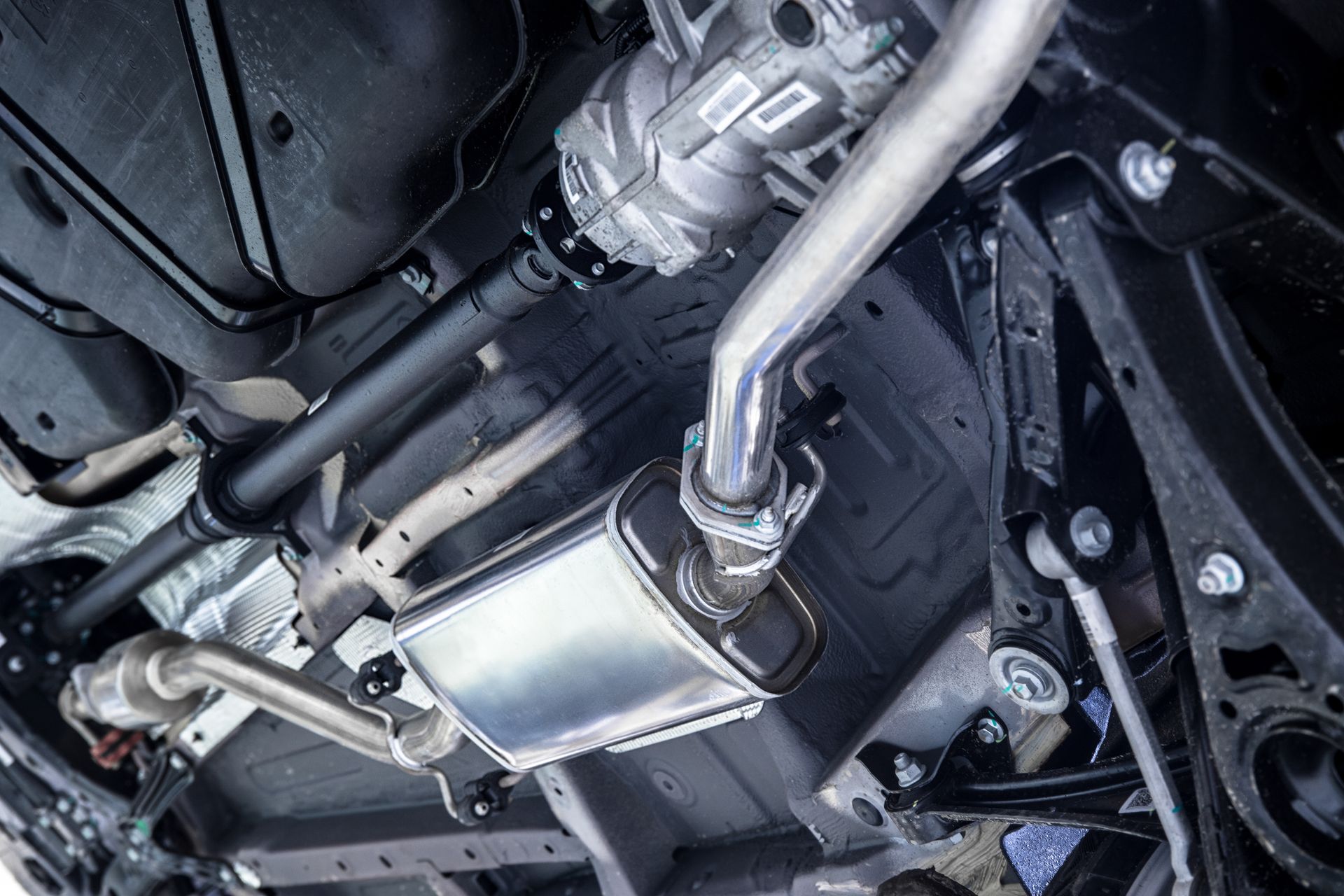
Modern vehicles contain more equipment beneath the floor than older designs. Fuel tanks, exhaust systems, rear suspension components, batteries, emissions equipment, and all-wheel-drive hardware compete for limited space.
Hybrid and electric vehicles present an even greater packaging challenge. High-voltage battery modules may occupy areas where a spare tire well would traditionally be placed. Designers may use the remaining space for charging equipment, storage compartments, or structural protection around the battery.
Removing the spare can also create a lower cargo floor or more usable storage. Buyers often compare vehicles by passenger room and cargo capacity, so manufacturers may prioritize space that customers use every day over equipment needed only during a puncture.
Some Vehicles Use Tire Sealant and Inflator Kits
Many new cars include a mobility kit instead of a spare. These kits usually contain an electric air compressor and liquid sealant. The sealant is injected through the valve stem, and the compressor reinflates the tire.
A mobility kit may temporarily address a small puncture in the tread area, but it has important limits. It usually cannot repair:
- A torn sidewall
- A puncture larger than the kit permits
- A tire separated from the wheel
- A bent or cracked wheel
- Severe internal tire damage
- Multiple punctures
- A damaged valve stem
Sealant also has an expiration date. Drivers should check the date during regular maintenance and replace the container when required. The compressor, power cord, hose, and instructions should remain with the vehicle.
Run-Flat Tires Offer Limited Continued Mobility
Some manufacturers install run-flat tires on vehicles without spares. These tires use reinforced sidewalls that can support the vehicle temporarily after pressure is lost. The permitted distance and speed depend on the tire design and vehicle manufacturer’s instructions.
Run-flat technology allows the driver to leave a dangerous roadway or reach a nearby service facility without changing the tire. It does not make the tire immune to damage. Driving too far, traveling too fast, or carrying excessive weight after pressure loss can destroy the tire and potentially damage the wheel.
Run-flat tires may also cost more than conventional tires and may not be available immediately in every size. Their firmer construction can affect ride characteristics, and some punctures still require replacement. Drivers should know whether their vehicle uses run-flat tires before relying on them during an emergency.
Roadside Assistance Has Changed Manufacturer Planning
Roadside assistance programs are common with new vehicles, insurance policies, motor clubs, credit cards, and mobile service providers. Manufacturers may expect drivers to request towing or tire service instead of changing a wheel beside the road.
Professional assistance can be safer than attempting a tire change on a narrow shoulder, uneven ground, or a busy highway. However, response times vary by location, weather, traffic, and service availability. Drivers in rural areas may wait much longer than those near a city.
Phone coverage is another concern. A puncture in an isolated area can leave the driver without an easy way to request help. Anyone who frequently travels long distances should plan for the places and conditions in which tire trouble is most likely to occur.
Can You Add a Spare Tire?
Some vehicles have enough room for an optional compact spare kit even when one was not included from the factory. A proper kit may contain the tire, wheel, jack, tools, foam organizer, mounting hardware, and instructions.
The spare must fit the vehicle’s bolt pattern, brake clearance, wheel hub, load requirement, and overall tire diameter. A spare from another model should not be used simply because the lug holes appear to line up.
Before buying a kit, check whether the cargo floor has a secure mounting point. An unsecured wheel can become dangerous during a collision. An inspection can also confirm whether the vehicle has enough clearance and whether the selected spare is approved for temporary use.
Prepare Before a Tire Failure Happens
Open the cargo area and confirm what equipment your vehicle carries. Read the operating instructions before an emergency, check the inflator kit’s condition, and verify that roadside assistance information is current.
Drivers should also maintain tire pressure, rotate tires at the correct interval, and watch for cracking, uneven wear, exposed cords, bulges, or recurring air loss. Tire-pressure monitoring systems provide an important warning, but they do not prevent punctures or replace physical tire checks.
Get Tire Service in Hoquiam, WA, With Crowell Brothers Automotive Inc.
Crowell Brothers Automotive Inc. can check your tires, inspect for punctures, verify the condition of your mobility kit, and help determine whether a spare tire kit is available for your vehicle.