The parking brake lever is down, but the car still won't roll normally. After a wet night followed by freezing temperatures, ice is one possibility. Trying to overcome the resistance with more engine power can turn an inconvenient morning into damaged brakes or an unexpectedly moving vehicle.
A frozen cable needs a careful response because the same symptom can come from rust, seized brake hardware, or ice holding other brake components together. The immediate goal is to keep the vehicle secure, confirm the brake has released properly, and arrange help if it remains stuck.
Moisture Can Freeze Inside A Parking Brake Cable
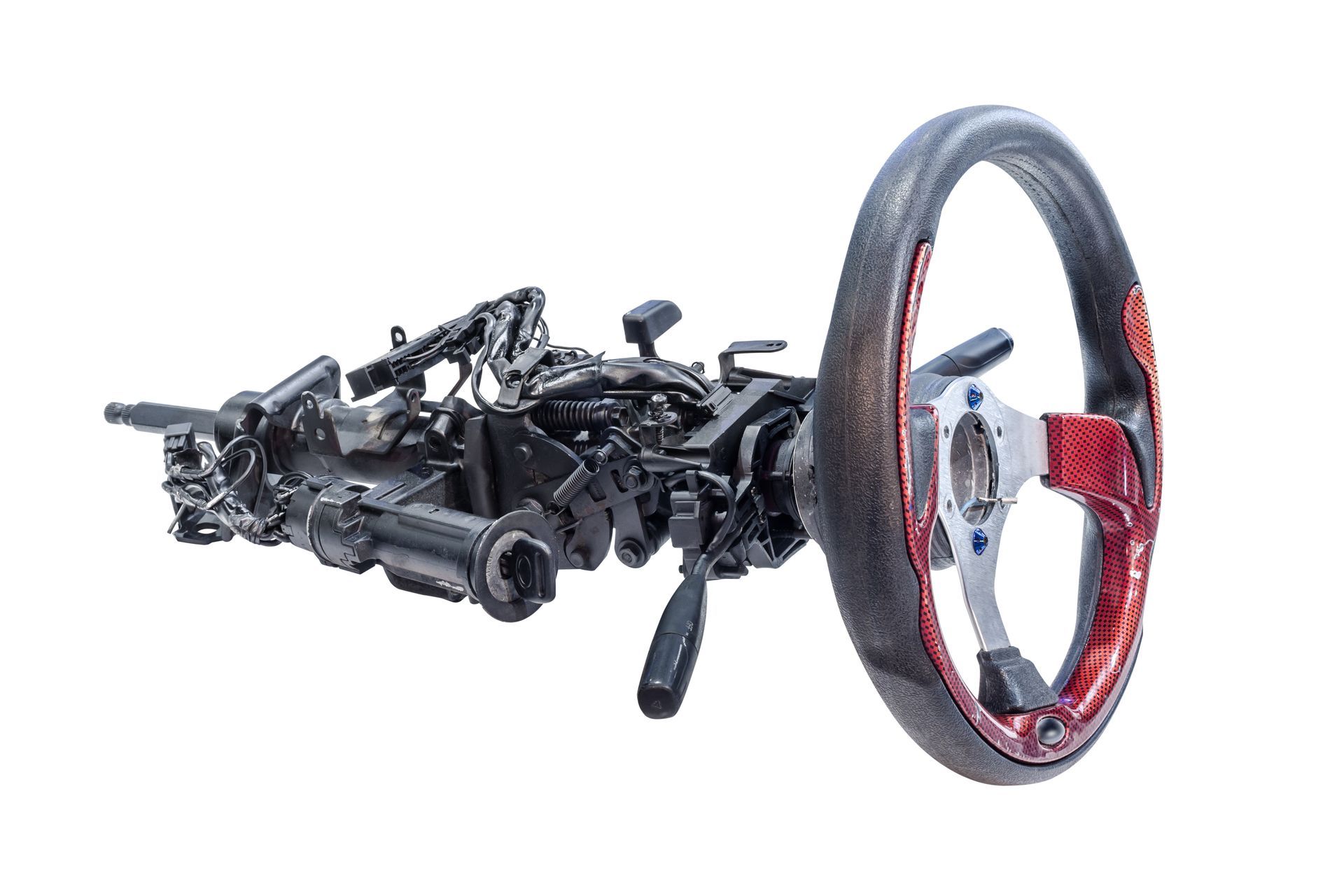
A mechanical parking brake uses a cable to transmit force from a lever or pedal to the brake mechanism. The cable moves within a protective housing. If moisture enters through damaged seals, boots, or other openings, it can freeze and prevent the cable from moving back when the control is released.
Wet conditions around Hoquiam can also leave moisture on brake components before temperatures fall. Ice at the friction surfaces or linkage can create similar resistance. A cable-related fault is therefore a possibility to inspect, rather than a conclusion to make simply because the morning is cold.
Confirm The Parking Brake Release Procedure First
Check the owner's manual and use the normal release procedure. Mechanical levers, foot-operated parking brakes, and electronic systems operate differently. Make sure the control has fully returned to its released position, while keeping the vehicle secured against unintended movement and your foot on the service brake as appropriate.
Don't confuse a transmission that won't shift out of park with a parking brake that won't release. A shift-interlock problem has different checks. If the control behaves normally but the vehicle is still held, stop trying to drive through the resistance. A released dashboard indication doesn't prove every mechanical part has returned correctly.
Avoid Driving With A Frozen Parking Brake Applied
Dragging a partly applied brake generates heat and can damage friction material, rotors, drums, or related hardware. It can also change handling and make the vehicle difficult to control. More throttle may suddenly overcome the resistance, creating an unexpected movement instead of a controlled release.
Warning clues include a vehicle reluctant to move, a dragging sensation, an unusual smell, or heat near a wheel. Don't touch a wheel or brake component that may be hot. If the car has already moved with the brake dragging, describe how far it traveled and whether any odor or warning appeared so the inspection can consider the effects.
Safe Thawing Requires The Right Conditions
If ice is involved, allowing the vehicle to warm in an appropriate environment may release the affected component. That doesn't mean driving it to a warmer location while the brake is dragging. Arrange professional assistance if the vehicle can't be moved safely; towing equipment may need to account for a locked wheel.
Avoid open flames, improvised heaters, boiling water, or aggressive hammering. These methods can damage components, create hazards, or leave more water to refreeze. Don't crawl beneath a vehicle supported only by a jack. The safest method depends on access, brake design, and whether the problem is ice or a seized part.
A Seized Cable Can Behave Like A Frozen One
Corrosion inside the cable housing can prevent normal return even after the temperature rises. A damaged housing, frayed cable, weak return mechanism, or seized brake lever can also hold the brake. The weather may expose the problem, but thawing alone won't restore a mechanically damaged component.
The technician can check cable movement and the operation of the brake mechanism separately. That helps identify whether the repair requires a cable, related hardware, or work at the wheel. Replacing only the easiest visible component may leave a second restriction in the system and allow the problem to return.
Electronic Parking Brakes Need Different Checks
Some vehicles apply the parking brake through electric actuators, and others combine electrical control with a cable mechanism. Their release requirements can include adequate battery power and particular control inputs. A weak battery, wiring problem, or actuator fault can produce a stuck-brake complaint without a frozen cable.
Follow the vehicle's instructions if there is an electronic parking-brake warning. An emergency-release procedure, where one exists, may require special tools or service steps. Don't repeatedly command the system or disassemble it based on instructions for a different model. The shop needs to match the procedure to the equipment actually fitted.
Details That Help A Parking Brake Inspection
Useful information includes:
- Whether the vehicle was wet before temperatures dropped.
- Whether the lever or pedal returned normally.
- Whether one wheel or more than one appears held.
- Whether the problem disappears when temperatures rise.
- Any brake work, battery trouble, or similar incident in the past.
These observations help distinguish freezing from a recurring mechanical or electrical fault. You don't need to keep testing by moving the car; describe what happened during the first safe attempt and let the inspection establish the cause.
Prevent Recurring Parking Brake Freezing
Have damaged cable housings and seals inspected, and address brake hardware that doesn't return freely. If this has happened before, mention it before the next cold forecast. Moisture entry and corrosion can develop gradually, so a warmer afternoon isn't proof the system is ready for the next freeze.
Use the manufacturer's winter parking guidance. Some vehicles specify an alternative way to secure the vehicle in conditions where the parking brake may freeze. That isn't a general instruction to leave a car unsecured or stop using the parking brake all winter. Terrain, transmission, wheel restraints, and the manual's procedure all affect a safe parking arrangement.
Get Parking Brake Service In Hoquiam, WA
Crowell Brothers Automotive Inc. in Hoquiam, WA, can inspect parking brakes that drag, stick, or fail to release. We can check the cable, wheel-end mechanism, and applicable electrical controls, then explain the work needed to restore normal operation.